
CEMENT

Portland Cement (CEM I, CEM II, CEM III classes) offers solutions that require high strength and are suitable for different climate and building conditions; With Sulphate Resistant Cement (SRPC), we provide long-lasting structures in chemically aggressive environments. We supply White Cement in high purity for aesthetic applications and special projects, and offer project-based logistics advantages with bulk and bagged supply options.
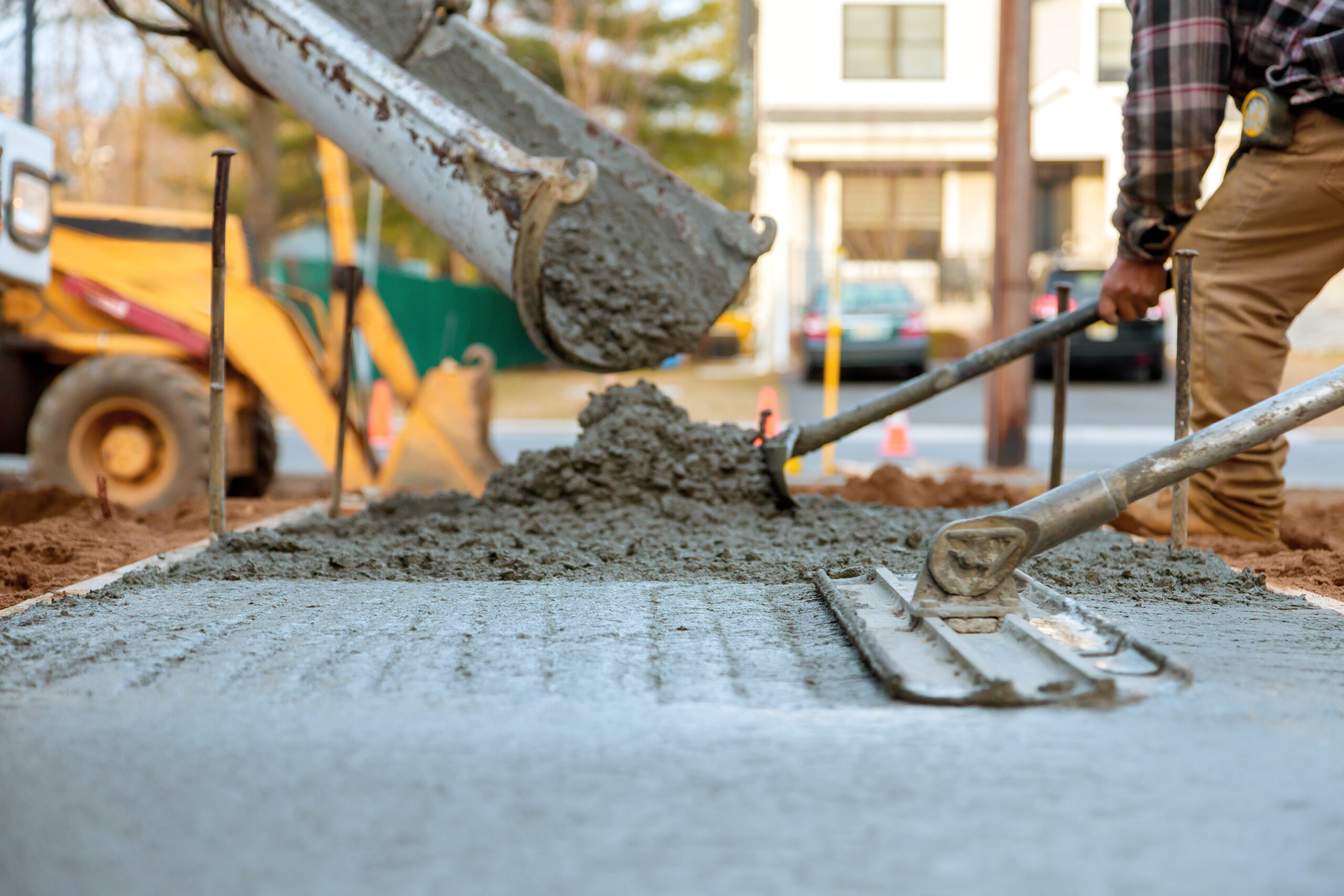
Your Reliable Solution Partner in Cement Supply
Fonte Construction is a reliable supplier of cement, which is the basic building block of the construction industry worldwide. It offers quality, sustainable and competitive solutions in global markets with Portland, Sulphate Resistant and Compound Cement types suitable for different climate, building conditions and project requirements.
Let's contact you for your needs.
Why Should You Supply Cement from Fonte Construction?
Fonte Construction offers a reliable multi-source supply model by working with multiple certified manufacturers and provides technical consultancy support to determine the type of cement suitable for projects. While it supports sustainable construction solutions with products with a low carbon footprint, it guarantees uninterrupted and on-time shipment thanks to its global logistics network. This structure provides reliability, flexibility and sustainable performance in large-scale projects.
Cement Product Portfolio and Technical Specifications
Portland Cement (CEM I, CEM II, CEM III)
Portland cement products are offered in CEM I, CEM II and CEM III classes and are fully compliant with EN 197-1 and ASTM C150 standards. It offers high performance in a wide range of usage areas, from residential projects to infrastructure and industrial building applications, with its R class, which provides high early strength, and N class, which provides normal strength. Thanks to its strength, workability and standard consistency, it is preferred as the basic binding material of modern construction projects.
Sulphate Resistant Cement (SRPC)
Sulphate resistant cement has been developed to provide long-term use in ground and water environments with high sulphate content and is an ideal solution for marine structures, sewage systems, tunnel and dam projects. Thanks to its clinker composition with high chemical resistance, it minimizes the risk of cracks that may occur due to the effect of sulfate and protects the structural integrity of concrete in aggressive environments.
Compound Cement (Pozolanic and Slag Types)
Compound cement types have environmentally friendly formulations containing fly ash and blast furnace slag; Thanks to its low heat of hydration, it reduces thermal cracking in large volume concrete castings and provides a more stable curing process. It stands out as an ideal binding material for environmentally friendly projects with its sustainable production structure that reduces CO₂ emissions.
White Cement
White cement is produced for projects requiring superior whiteness and high purity in aesthetic and architectural applications. Thanks to its low iron oxide content and high reflectivity, it is preferred in decorative elements, architectural surfaces and specially designed building materials; It provides a premium appearance in architectural details with its homogeneous color structure and high workability.
Supply and Logistics
Cement supply is carried out in bulk formats with 25 kg and 50 kg bag packaging options, and shipments are made in FOB, CIF and DDP delivery modes in accordance with the international logistics infrastructure. Products are sourced from certified manufacturers in Europe, the Middle East and Asia, and on-time delivery is supported by regular departures from Mediterranean, Black Sea and Aegean ports. This structure ensures supply continuity and operational efficiency in large-scale projects.
Areas of Use
Cement products are used in large infrastructure projects such as dams, bridges, tunnels and roads; In industrial facilities and high strength concrete applications; It is widely used in residential and commercial building construction and prefabricated element production. Thanks to its basic binding role in reinforced concrete structures, it is a critical material in engineering projects in terms of both strength and longevity.